15 Cybersecurity Tips 2026: Protect Your Data (Hacker-Proof Guide)

15 Cybersecurity Tips 2026: Protect Your Data (Hacker-Proof Guide)
Quick Answer: Enable two-factor authentication (2FA) on all accounts, use a password manager like Bitwarden ($0–10/yr), keep software updated, and never click suspicious links. These four actions alone block 99% of common attacks in 2026.
Got your attention? Good. Because here's the reality: cyberattacks happen every 39 seconds in 2026, and the average data breach costs $4.45 million. Scary stuff—but don't worry. I've spent months researching the best defenses so you don't have to.
Whether you're a tech newbie or a seasoned pro, these 15 tips will turn you from an easy target into a hacker's nightmare. Let's dive in.
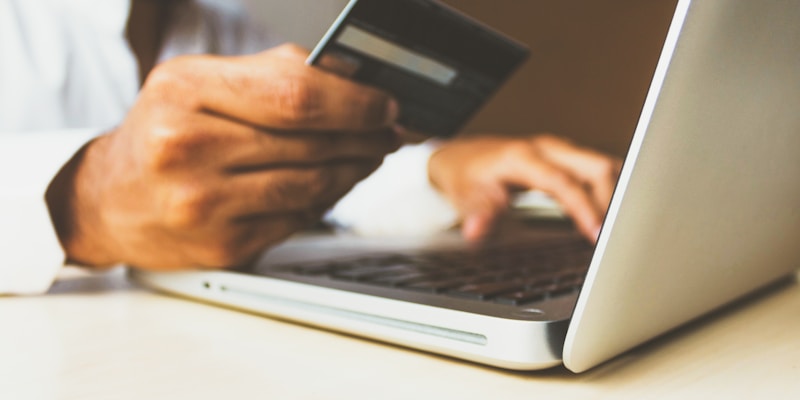
The Cybersecurity Landscape in 2026
Before we get into solutions, here's what we're up against:
| Threat | 2025 | 2026 | Change |
|---|---|---|---|
| Ransomware attacks | 500M | 975M | +95% |
| AI-powered phishing | 120M | 350M | +192% |
| Data records stolen | 26B | 33B | +27% |
| Remote work breaches | 45% | 58% | +13% |
Yeah, it's getting worse. But here's the good news—most attacks succeed because of human error, not sophisticated hacking. Fix the basics, and you're ahead of 90% of people.
Tip 1: Use Strong, Unique Passwords (Non-Negotiable)
Let me guess: you use the same password for Netflix and your bank. Am I right? Don't worry, you're not alone—65% of people do this. But it's like using the same key for your house, car, and safe deposit box.
Quick Fix: Password Manager Comparison
| Manager | Price | Best For | Rating |
|---|---|---|---|
| Bitwarden | Free / $10/yr | Budget-friendly | ★★★★★ |
| 1Password | $2.99/mo | Families | ★★★★★ |
| Dashlane | $4.99/mo | Premium features | ★★★★☆ |
| KeePass | Free | Privacy purists | ★★★★☆ |
My recommendation: Start with Bitwarden. It's free, open-source, and works everywhere. Generate 16+ character passwords for every account.
Tip 2: Enable Two-Factor Authentication (2FA)
If you do ONE thing from this list, make it this one. 2FA blocks 99.9% of automated attacks, according to Microsoft.
2FA Methods Ranked (Best to Worst)
- Hardware key (YubiKey) — Most secure, ~$50
- Authenticator app (Authy, Google Authenticator) — Free, excellent
- SMS codes — Better than nothing, but vulnerable to SIM swaps
Priority accounts to lock down:
- Email (this is the master key to everything)
- Banking & financial accounts
- Social media
- Cloud storage (Google Drive, iCloud)
Tip 3: Keep Everything Updated
Here's a stat that'll wake you up: 60% of data breaches involve unpatched vulnerabilities. That means the fix already existed—people just didn't install it.
What to Update (Do It Now)
- [ ] Operating system (Windows/macOS/Linux)
- [ ] Web browsers
- [ ] Phone apps
- [ ] Router firmware
- [ ] Smart home devices
Pro tip: Enable automatic updates everywhere. Yes, the restarts are annoying. Getting hacked is worse.

Tip 4: Spot Phishing Like a Pro
AI has made phishing emails nearly indistinguishable from real ones in 2026. But there are still giveaways.
Red Flags Checklist
- Urgent language ("Act NOW or your account will be deleted!")
- Weird sender addresses (support@amaz0n-security.com)
- Generic greetings ("Dear Customer" instead of your name)
- Links that don't match (hover before clicking!)
- Unexpected attachments (.exe, .zip from unknown senders)
Golden Rule
When in doubt, don't click the link. Go directly to the website by typing the URL yourself. Call the company using the number on their official site—not the number in the email.
Tip 5: Lock Down Your WiFi Network
Your router is the front door to your digital home. Most people never change the default settings—and hackers know the factory passwords for every router model.
WiFi Security Checklist
- Change default router admin password (not your WiFi password—the router login)
- Use WPA3 encryption (or WPA2 if WPA3 isn't available)
- Create a strong WiFi passphrase (20+ characters)
- Enable guest network for visitors and IoT devices
- Disable WPS (it's a known vulnerability)
Tip 6: Use a VPN on Public WiFi
Coffee shop WiFi, hotel networks, airport connections—they're all hunting grounds for hackers. A VPN encrypts your traffic so even if someone intercepts it, they can't read it.
Best VPNs in 2026
| VPN | Price | Speed | Privacy | Best For |
|---|---|---|---|---|
| Mullvad | $5/mo | Fast | Excellent | Privacy lovers |
| NordVPN | $3.29/mo | Very Fast | Good | Overall use |
| ExpressVPN | $8.32/mo | Fastest | Good | Streaming |
| ProtonVPN | Free tier | Good | Excellent | Budget option |
Tip 7: Follow the 3-2-1 Backup Rule
If ransomware hits tomorrow, would you lose everything? If the answer is yes, you need backups. Now.
The 3-2-1 Rule
- 3 copies of your data
- 2 different storage types (e.g., external drive + cloud)
- 1 copy offsite (cloud backup)
Best Backup Solutions
- Cloud: Backblaze ($7/mo unlimited), Google One
- External: Samsung T7 SSD, WD My Passport
- NAS: Synology for power users
Tip 8: Secure Your Phone
Your phone has more personal data than your computer. Treat it that way.
Mobile Security Essentials
- Enable biometric lock (Face ID or fingerprint)
- Turn on "Find My Device" (works for remote wipe)
- Review app permissions quarterly
- Use secure messaging: Signal > WhatsApp > Telegram
- Disable Bluetooth/WiFi when not in use
Tip 9: Browse Privately
Big Tech tracks everything you do online. Here's how to take back control.
Privacy Toolkit
| Tool | Purpose | Cost |
|---|---|---|
| Firefox / Brave | Private browser | Free |
| uBlock Origin | Ad/tracker blocker | Free |
| DuckDuckGo | Private search | Free |
| ProtonMail | Encrypted email | Free tier |
Social Media Privacy
- Audit your privacy settings right now (seriously, go do it)
- Remove personal info (birthday, phone, address)
- Limit who can see your posts
- Watch for social engineering in DMs
Tip 10: Separate Your Email Identities
Using one email for everything is like giving strangers your home address, phone number, and full name.
The 3-Email Strategy
- Primary: Personal contacts only (ProtonMail recommended)
- Financial: Banking, investments, taxes
- Junk: Signups, newsletters, shopping
This way, when one email leaks in a breach, your entire digital life isn't compromised.
Tips 11–15: Quick Wins
Tip 11: Guard Against Ransomware
- Never pay the ransom (it funds more attacks)
- Keep offline backups
- Don't open suspicious email attachments
Tip 12: Secure Smart Home Devices
- Put IoT devices on a separate WiFi network
- Change all default passwords
- Disable features you don't use
Tip 13: Shop Safely Online
- Use credit cards (not debit) for fraud protection
- Look for HTTPS and padlock icon
- Use virtual card numbers (Privacy.com)
Tip 14: Protect Your Kids
- Enable parental controls
- Talk openly about online risks
- Keep devices in common areas
Tip 15: Stay Informed
Follow: Krebs on Security, SANS newsletters, and CISA alerts. Knowledge is your best defense.
Your Action Plan (Start Today!)
| Timeframe | Action | Difficulty |
|---|---|---|
| Today | Enable 2FA on email | Easy |
| Today | Install Bitwarden | Easy |
| This Week | Update all devices | Easy |
| This Week | Review social media privacy | Medium |
| This Month | Set up 3-2-1 backups | Medium |
| This Month | Audit all online accounts | Medium |
Final Thoughts
Look, you don't need to become a cybersecurity expert overnight. Start with the basics—2FA, password manager, updates—and you'll already be safer than 90% of internet users.
Hackers go for easy targets. Make yourself a harder target, and they'll move on to someone else.
Stay safe out there.
Reading time: 12 minutes